
Summary
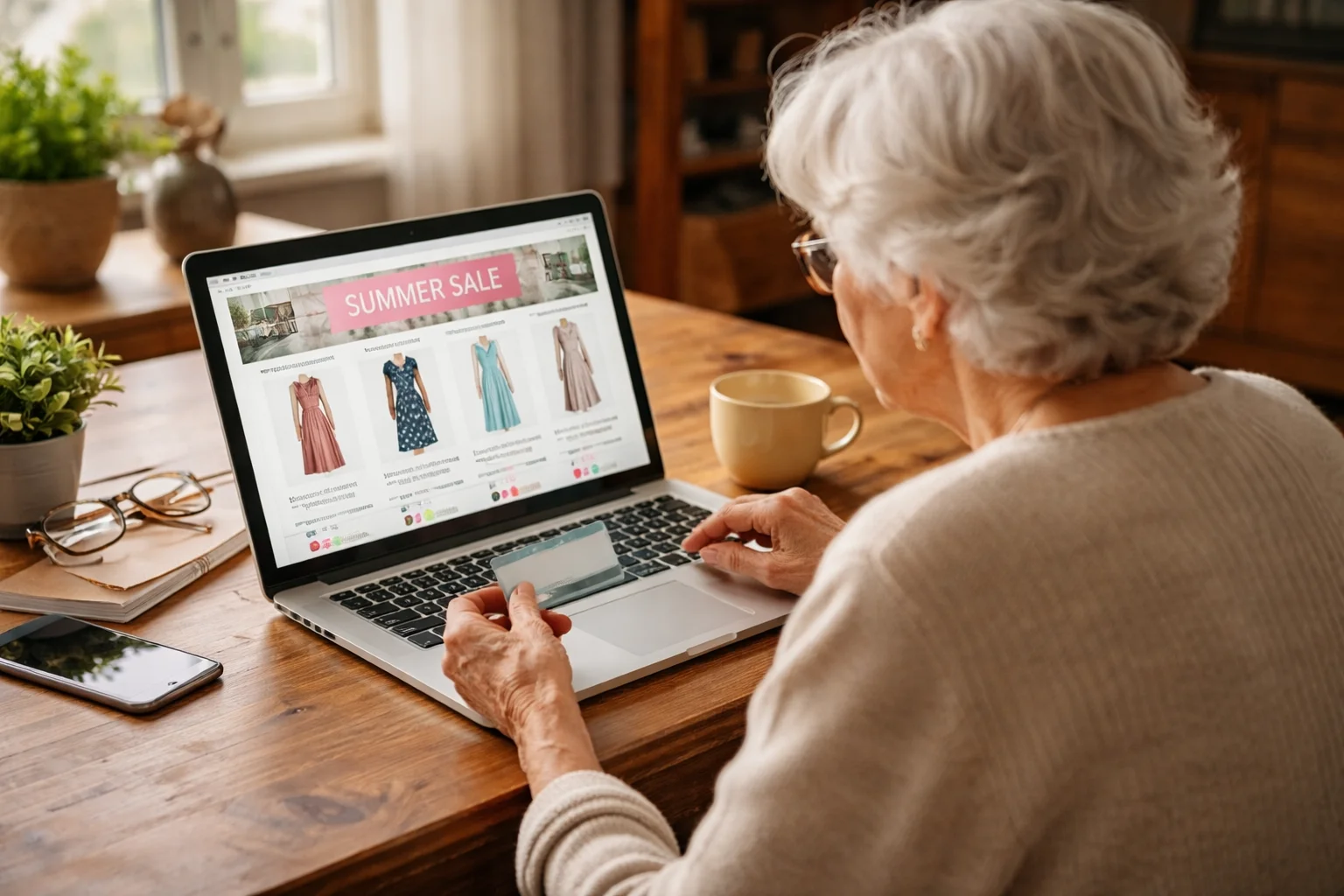
If a customer can visit your website, look at what you offer, place an order, pay online, book a service, download a product, or subscribe to something, that falls under ecommerce. For some businesses, ecommerce means a full online shop with hundreds or thousands of products. For others, it might be something much simpler, such as taking bookings, selling gift vouchers, offering digital downloads, or allowing customers to pay invoices online. The important point is this: ecommerce is no longer just for big companies. It is now a normal part of how many businesses sell, take enquiries, and build trust.
Ecommerce simply means buying and selling products or services online.
Quick Summary
Electronic Commerce / Ecommerce is the process of selling products or services online. This process comes in many forms.
It can include:
- Physical products, such as shoes, clothing, food items and anything requiring shipping
- Digital products, such as plugins, music...
- Online bookings for vacation rentals, cruises, flights
- Subscriptions to tutorials, Netflix...
- Service payments
- Gift cards or vouchers
- Trade or wholesale ordering
A good ecommerce setup usually includes a website, payment processing, clear product or service pages, delivery or fulfilment options, marketing, SEO, and ongoing management.
Why Ecommerce Matters
Most people now research before they buy.
Even when someone hears about a business from a friend, sees a shop locally, or gets a recommendation, there is a good chance they will still check the business online before making a decision.
They may look at your website, compare your prices, read reviews, check your opening hours, browse your products, or see whether your business looks trustworthy.
That is why ecommerce matters.
If you sell products or services but customers cannot find you online, browse what you offer, or easily take the next step, you may be missing out on sales without even realising it.
This does not mean every business needs a huge online store. But most businesses should at least think carefully about how customers find them, how they buy from them, and whether the website is helping or holding them back.
Ecommerce is more than just an Online Shop
A lot of people think ecommerce means installing WooCommerce or Shopify, adding a few products, connecting Stripe or PayPal, and calling it done.
Technically, that gives you an ecommerce website.
But that alone does not mean people will find it, trust it, or buy from it.
Launching an online shop without a plan is a bit like opening a shop down a quiet back road with no signs, no advertising, and no reason for people to know it exists.
A proper ecommerce setup also needs to consider:
- Product presentation
- Website structure
- Mobile usability
- Page speed
- SEO-friendly category pages
- SEO-optimised product descriptions
- Clear navigation
- Internal linking
- Trust signals
- Secure checkout
- Shipping rules
- Stock management
- Customer service
- Returns handling
- Email marketing
- Paid ads
- Ongoing improvements
This is where many businesses struggle. They focus on getting the website live, but not enough on how the website will actually bring in visitors and turn those visitors into customers.
A website can look nice and still not perform well. An online shop can have good products and still struggle if it is slow, confusing, poorly written, poorly structured, or not properly marketed.
How Ecommerce Usually Works
At a basic level, ecommerce follows a fairly simple process.
1. A Customer Finds Your Website
This might happen through Google, social media, Google Ads, email marketing, referrals, word of mouth, or a link from another website.
This first step is important. If nobody finds your website, you will not get many sales.
That is why ecommerce and marketing need to work together. The website is only one part of the bigger picture. You also need visibility.
I cover this in more detail in my article on how Irish businesses can grow online.
2. They Browse Your Products or Services
Once someone lands on your site, they need to quickly understand what you offer.
That means your website should have clear navigation, sensible categories, useful product pages, and a layout that works well on both mobile and desktop.
If visitors cannot find what they are looking for, they usually leave.
3. They Add Something to the Cart or Take Action
For an online shop, this usually means adding a product to the cart.
For other types of ecommerce businesses, the action could be booking an appointment, buying a digital product, subscribing to a service, requesting a quote, or making a payment online.
The exact action depends on the business.
4. They Go Through Checkout
Checkout is where trust becomes very important.
Customers want clear pricing, secure payment options, delivery information, and a simple process. If checkout feels awkward, confusing, slow, or untrustworthy, people may abandon the purchase.
This is one of the most important parts of an ecommerce website, but it is often overlooked.
5. Payment Is Processed
The customer pays using one of the payment methods you offer.
This could include debit cards, credit cards, PayPal, Apple Pay, Google Pay, Stripe, Klarna, bank transfers, or other payment options, depending on your setup.
The payment gateway handles the transaction securely in the background.
6. The Order Is Fulfilled
For physical products, this usually means packing and shipping the item.
For digital products, it may mean granting the customer access to a download, a course, a file, or a membership area.
For services, it could mean confirming a booking or starting the client process.
7. After-Sales Support Begins
Good ecommerce does not stop once the payment goes through.
Customers expect order confirmations, delivery updates, support when needed, and clear communication. If something goes wrong, how you handle it can have a big impact on reviews, repeat business, and trust.
Types of Ecommerce
There are several different types of ecommerce. The most common ones are:
B2C Ecommerce
B2C means business-to-consumer.
This is what most people think of when they hear the word ecommerce. A business sells directly to the public through an online store.
Examples include clothing shops, gift stores, furniture websites, electronics stores, beauty brands, and food delivery websites.
B2B Ecommerce
B2B means business-to-business.
This is where one business sells to another business online. It often includes trade pricing, wholesale ordering, quote requests, account logins, bulk discounts, or private customer portals.
C2C Ecommerce
C2C means consumer-to-consumer.
This is when individuals sell to other individuals through platforms such as online marketplaces.
C2B Ecommerce
C2B means consumer-to-business.
This is where an individual sells a product or service to a business. Freelancers, creators, photographers, designers, writers, and consultants can all fall into this category.
Real-World Examples of Ecommerce
Ecommerce does not always look the same from one business to another.
For example:
- A local Irish shop selling products through its own website is using ecommerce.
- A restaurant offering online ordering and collection is using ecommerce.
- A consultant taking online bookings and payments is using ecommerce.
- A business selling downloadable templates or online courses is using ecommerce.
- A wholesaler letting trade customers order through a private login area is using ecommerce.
- A service business taking deposits online is also using ecommerce.
The products, services, and systems may be different, but the core idea is the same: the customer can take action and complete part or all of the transaction online.
Why Ecommerce Has Become So Important
There was a time when some businesses could treat the internet as an optional extra.
That is much harder now.
Customers are used to convenience. They want to compare quickly, browse outside normal opening hours, check reviews, understand prices, and make decisions without always having to phone or visit in person.
Even if your business relies heavily on local customers, your website still plays a major role in how people judge you.
Before contacting you, people may:
- Search for your business name
- Look at your website
- Check your reviews
- Compare yourself with competitors
- Look for prices or examples
- Decide whether you seem trustworthy
If your business is hard to find online, lacks a proper website, or looks outdated, you may lose customers before you ever get the chance to speak with them.
That is one of the reasons I wrote about the cost of not having a website in Ireland. The cost is not just the missed online orders. It can also mean missed enquiries, weaker trust, and customers choosing someone else.
The Main Benefits of Ecommerce
Ecommerce can help businesses in several ways.
You Can Reach More Customers
A physical shop is tied to one location.
An ecommerce website can reach people across Ireland, the UK, Europe, or further afield, depending on what you sell and how you deliver it. Even a small business can reach a much wider audience online.
Customers Can Buy When It Suits Them
People do not always shop during normal business hours.
They may browse in the evening, at lunch, on the weekend, or while sitting on the sofa with their phone.
Ecommerce allows customers to buy or enquire at a time that suits them.
It Can Be More Affordable Than Opening Another Location
Opening a second physical location can be expensive.
You may need rent, staff, utilities, insurance, signage, equipment, stock, and more. Expanding online still has costs, but it can often be a more flexible and affordable way to grow.
You Can Track What Is Working
With ecommerce, you can measure a lot.
You can see where visitors come from, which products they view, what pages they leave from, which marketing channels perform best, and which products generate revenue. This kind of data can help you make better business decisions.
It Works Well With Digital Marketing
Ecommerce connects naturally with SEO, Google Ads, social media ads, email marketing, abandoned cart emails, remarketing, and content marketing. That gives you more ways to bring people back to your website and encourage them to buy.
It Can Help a Business Scale
Once the right systems are in place, an ecommerce business can often grow faster than an offline-only business. That does not mean ecommerce is easy. But it does give businesses more options.
The Challenges of Ecommerce
Ecommerce has plenty of benefits, but it is not magic. A lot of people underestimate the work involved.
Competition Can Be Tough
When you sell online, you are often competing with more businesses, not fewer. That means your website, pricing, product pages, service, reviews, and marketing all matter.
Trust Is Critical
If a website looks outdated, confusing, or unprofessional, customers may hesitate. People need to feel safe before entering payment details or placing an order.
Shipping and Returns Need Planning
For physical products, delivery and returns can become a major part of the business. You need clear shipping rules, realistic delivery times, and a process for handling issues.
Traffic Does Not Appear by Itself
This is one of the biggest mistakes businesses make. They launch an ecommerce website and expect people to find it automatically. In reality, most ecommerce websites need ongoing SEO, content, ads, email marketing, social media, or another traffic strategy.
Maintenance Is Ongoing
Websites need updates, backups, security checks, speed reviews, content improvements, and regular attention. This is why many businesses need more than just a website build. They need ongoing help with the bigger picture. That is where ecommerce management services in Ireland can be useful.
Ecommerce vs Traditional Commerce
Traditional commerce usually happens in person. A customer visits a shop, browses, pays, and leaves with the product.
Ecommerce happens online. A customer visits a website, browses, pays digitally, and receives the product by delivery, collection, download, or access to a service. Both still matter. In fact, many businesses now use a mix of both.
A shop may have a physical location and an online store. A restaurant may serve walk-in customers and also take online orders. A service business may operate locally but receive enquiries and payments through its website. This hybrid approach is very common now.
What Makes a Good Ecommerce Website?
A good ecommerce website is not just about how it looks. It needs to work well for customers and for the business owner.
Clear Navigation
People should be able to move through the site easily. If they have to think too hard, they may leave.
Strong Category Structure
Categories help customers find what they need. They also help search engines understand the structure of the website.
Good Product Pages
A proper product page should usually include:
- A clear product title
- Good-quality images
- Useful descriptions
- Pricing
- Delivery information
- Product options or variations
- Clear calls to action
- Trust signals
- Related products where useful
Mobile-Friendly Design
A lot of ecommerce traffic comes from mobile phones. If your website is awkward to use on mobile, you can quickly lose sales.
Fast Loading Speed
Slow websites frustrate people. Speed also matters for SEO and user experience.
Secure Checkout
Customers need to feel safe when entering their details. A secure, simple, professional checkout process can make a big difference.
Good Content and SEO
Many ecommerce stores miss out on traffic by ignoring SEO. Product descriptions, category pages, meta titles, meta descriptions, internal links, image alt text, and supporting blog content can all help.
Easy Backend Management
The business owner should be able to manage products, orders, stock, content, and customers without the website becoming a mess behind the scenes.
This is why the build itself matters. If you want a better idea of what goes into this, have a look at my page on <a href="https://www.sellersbay.ie/ecommerce-website-design-ireland/">ecommerce website design in Ireland</a>.
Common Ecommerce Platforms
There are several popular ecommerce platforms. The right choice depends on the business, budget, product range, and long-term goals.
WooCommerce
WooCommerce is a popular ecommerce option for WordPress websites. It is flexible, SEO-friendly, and works well for businesses that want more control over their website. I use WooCommerce often because it can be adapted to many different types of businesses.
Shopify
Shopify is popular because it is easy to use and provides an all-in-one ecommerce platform. It can be a good option for businesses that want a straightforward online shop without having to manage as much of the technical side themselves.
Magento
Magento is a powerful ecommerce platform, but it is usually better suited to larger or more complex businesses. It can handle advanced ecommerce setups, but it normally requires more development work and a larger budget.
BigCommerce
BigCommerce is another well-known ecommerce platform with a strong set of built-in features. It can suit businesses that want a hosted ecommerce solution with room to grow.
Marketplaces
Amazon, Etsy, and eBay are also part of ecommerce. The difference is that you are selling through someone else’s platform rather than owning your own website. Marketplaces can be useful, but they also come with fees, rules, competition, and less control over your customer relationship.
How Much Does Ecommerce Cost?
This is one of the most common questions businesses ask. The honest answer is: it depends.
A small ecommerce website with a limited product range and a simple setup will usually cost much less than a larger site with custom features, advanced filtering, integrations, complex shipping rules, product imports, and deeper SEO work.
That is why general price estimates online can be misleading.
One business may only need a simple ecommerce setup. Another may need something much more advanced.
The real question is not just “How much does it cost?”
The better question is:
Will the website be built properly for the business, the customers, and the long-term goals?
I covered this in more detail in my article on <a href="https://www.sellersbay.ie/how-much-does-an-ecommerce-website-cost-in-ireland/">how much an ecommerce website costs in Ireland</a>.
What You Need to Start in Ecommerce
If you are thinking about starting an ecommerce business, you usually need a few things in place.
A Product or Service
You need something people actually want to buy.
That might sound obvious, but it is where everything starts.
A Website or Platform
You need somewhere people can browse, buy, book, or enquire.
This could be your own ecommerce website, a marketplace, or a combination of both.
Payment Processing
You need a secure way to accept payments.
This might include Stripe, PayPal, card payments, Apple Pay, Google Pay, Klarna, or bank transfer.
Delivery or Fulfilment
You need to know what happens after someone makes a purchase.
Will you ship the product? Offer collection? Send a download link? Confirm a booking? Start a service?
This should be clear before launch.
Trust and Branding
People need to feel comfortable buying from you.
Your logo, website design, product images, reviews, contact details, policies, and content all help build trust.
Marketing
Without visibility, growth is difficult.
You need a plan for getting people to the website. That could involve SEO, Google Ads, social media, email marketing, content marketing, local search, or a mix of channels.
Ongoing Management
An ecommerce website is not something you build once and forget about.
Products change. Prices change. Search behaviour changes. Competitors change. Technology changes.
The site needs ongoing attention.
SEO and Ecommerce
SEO is a major part of ecommerce success.
Many businesses launch an online store and assume Google will handle everything on its own.
It usually does not.
For an ecommerce website to perform well in search, it often needs:
- Proper keyword targeting
- Good category pages
- Unique product descriptions
- Optimised meta titles and descriptions
- Clean URLs
- Internal linking
- Fast loading speed
- Mobile usability
- Image optimisation
- Helpful supporting content
- Clear site structure
This is where many ecommerce stores have numerous hidden opportunities.
For example, a category page with no useful content may struggle to rank. Product descriptions copied from a supplier may not stand out. A poor internal linking structure may make it harder for Google to understand the site.
Good ecommerce SEO helps search engines understand your website and helps customers make better buying decisions.
Ecommerce is not just for Big Brands
Some small businesses still think ecommerce is mainly for large companies with big budgets. That is not true. Small businesses can do very well with ecommerce when they have the right setup, a clear niche, good products, and a sensible strategy.
You don't need a giant warehouse or to become Amazon, but you do need a website that works properly, a clear reason for customers to buy from you, and a plan for getting in front of the right people.
In some ways, ecommerce can help smaller businesses compete more effectively by allowing them to focus on service, expertise, niche products, local trust, or a better customer experience.
The Future of Ecommerce
Ecommerce will keep changing. Customers already expect better websites, faster checkout, clearer delivery information, stronger trust signals, and smoother mobile experiences.
They also expect a more connected experience between online and offline buying. For example, they may want to browse online and collect in-store. They may want to check the stock before visiting. They may want to ask a question through chat, email, or social media before buying. But it's not necessary to chase every trend. But you do need to take ecommerce seriously if you want your business to stay competitive.
Final Thoughts
So, what is ecommerce? At its simplest, ecommerce is buying and selling products or services online. But in real business terms, it is much more than that.
It is your website, product pages, checkout, content, SEO, marketing, order handling, customer service, and overall online experience working together. That is why ecommerce is important. It is not just about having an online shop. It is about making it easier for people to find, trust, and buy from your business.
If you are based in Ireland and thinking about launching an online store or improving one you already have, take a look at my ecommerce website design Ireland page.
And if you already have an ecommerce website but need help improving products, SEO, content, marketing, or day-to-day management, my ecommerce management services Ireland page explains how I can help.





0 Comments